


 How Cloud Gaming Is Redef
 /10
/10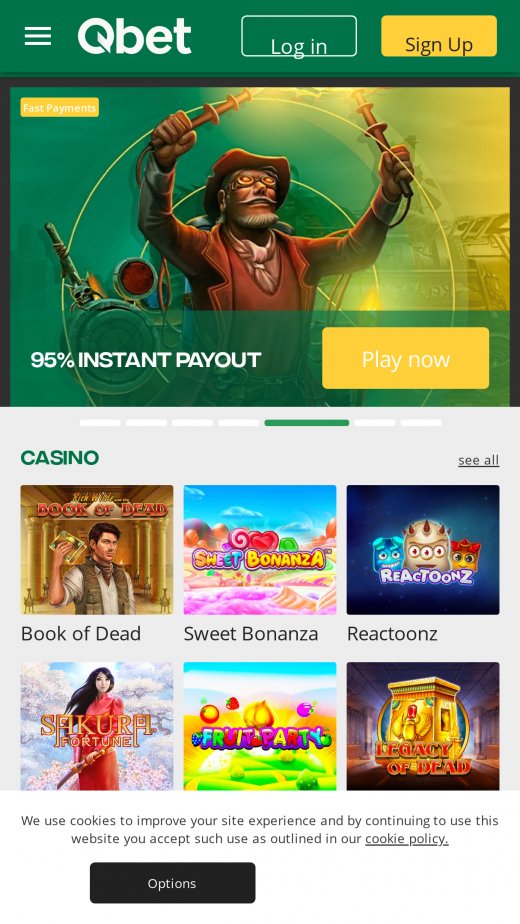
ดูซีรีย์ How Cloud Gaming Is Redef
เรื่องย่อ : How Cloud Gaming Is Redef ซีรีย์ใหม่ พากย์ไทย ซับไทย 2022 เว็บไซต์ดูหนังคุณภาพคมชัด 1080p หนังมาสเตอร์
Imagine launching a AAA title on a two‑year‑old laptop and watching it run at 60 fps without a single download. That’s the promise cloud gaming delivers when everything clicks: low latency, instant access, and hardware‑free performance.
1. Pick the Right Subscription
Start by comparing the three biggest services. GeForce Now streams from a library of over 2,000 games you already own, charging $9.99 / month for 1080p at 60 fps. Xbox Cloud Gaming (formerly Project X) includes any Game Pass title for $14.99 / month, also at 1080p. Amazon Luna offers a “Luna+” tier at $9.99 / month with a rotating catalog of 100+ titles, plus a separate $19.99 / month “UFC Fight Pass” channel for sports fans.
The key is matching price to your library. If you already own many Steam games, GeForce Now is cheapest. If you’re building a new collection, Xbox’s all‑access model may save you money in the long run.
2. Secure a Fast, Stable Connection
Cloud gaming is unforgiving about bandwidth. Tests show 15 Mbps is the absolute minimum for 720p streaming; 25 Mbps is needed for reliable 1080p, and 35 Mbps for 4K. Use a wired Ethernet link whenever possible—Wi‑Fi adds 5‑15 ms of jitter that can cause stutter.
Run a speed test at the time you plan to play. If you see latency spikes above 30 ms, consider upgrading to a gigabit router or switching to a plan with higher upload speeds. Remember, the upload side matters as much as download because your controller inputs travel upstream.
3. Optimize Device Settings
Even a modest smartphone can become a viable console if you tweak a few settings. Turn off background apps, enable “Game Mode” on Android, and set the display to “Performance” rather than “Battery Saver.” On Windows, disable Windows Game Bar and any screen‑recording overlays that compete for GPU cycles.
Most services also let you lock the frame rate. If your connection hovers around 25 Mbps, forcing 30 fps instead of 60 fps can smooth out occasional hiccups without sacrificing playability.
4. Common Mistake: Ignoring Data Caps
Many broadband plans advertise “unlimited” but throttle after 300 GB. Streaming a two‑hour game at 1080p consumes roughly 8 GB, so a single weekend binge can push you past the limit. The result is sudden drops to 480p or, worse, a temporary outage.
Check your ISP’s fine print before you commit to a marathon session. If you’re near the cap, schedule breaks or switch to a lower resolution for the final hour.
5. Test Before You Commit
All three major platforms offer free trials ranging from 7 to 14 days. Use the trial to benchmark latency in your typical play area. Open a demanding title like “Control” and watch the on‑screen latency meter; anything above 70 ms feels sluggish.
Record a short clip of the gameplay and compare it to a local install on the same device. The visual quality should be indistinguishable at 1080p, and the input lag should stay under 50 ms for a smooth experience.
6. Bridging to Online Gaming and Entertainment
If you enjoy the instant access cloud gaming provides, you might also appreciate the broader world of online entertainment. Sites like Qbet blend live betting with interactive gameplay, offering another layer of engagement that complements the on‑demand nature of streaming games.
7. Keep an Eye on Future Updates
Hardware upgrades on the server side happen faster than consumer consoles. NVIDIA’s latest RTX 4090‑class GPUs are already being rolled out to data centers, promising ray‑traced visuals at 4K without a price hike for users. Keep your subscription active to benefit from these silent upgrades.
In short, cloud gaming redefines how we think about hardware, cost, and accessibility. By choosing the right service, securing a solid connection, and watching out for data caps, you can turn almost any device into a high‑end gaming rig. The landscape will keep evolving, but the core steps remain the same: pick, test, and adapt.
|
|
|
|